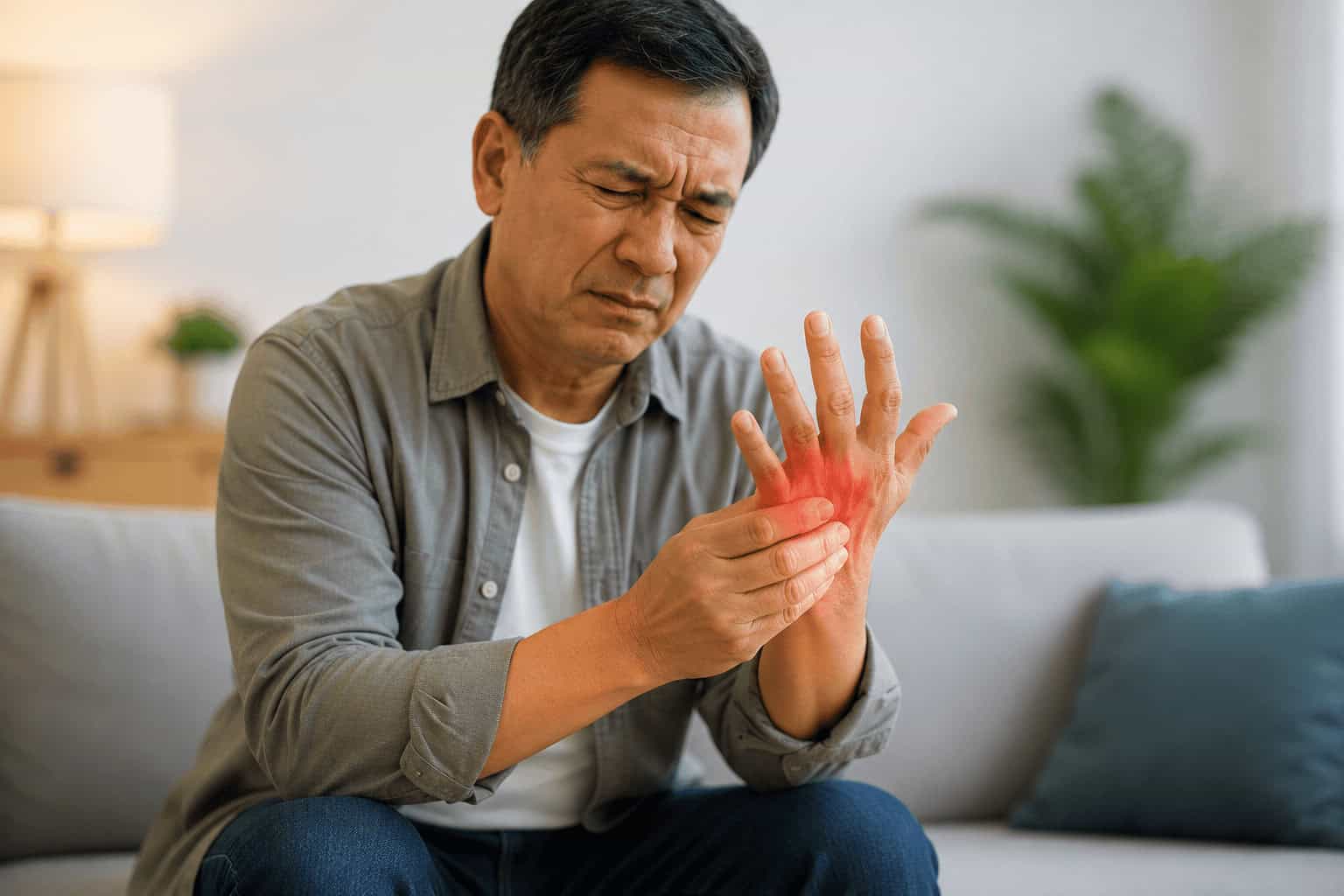
If your finger gets stuck, clicks while moving, or becomes painful during everyday activities, you may be experiencing trigger finger.
The good news is that surgery isn't always the first or only solution. Trigger Finger Treatment Without Surgery can often relieve pain, improve finger movement, and restore normal hand function through proven non-invasive methods. From splinting and hand therapy to targeted exercises and medication, several effective treatment options are available depending on the severity of your condition.
In this guide, you'll learn the best non-surgical treatments, recovery timeline, recommended exercises, and practical tips to help you regain comfort and avoid surgery whenever possible.

Quick Answer
Trigger finger treatment without surgery is often possible, especially when symptoms are mild or diagnosed early. Common non surgical treatment for trigger finger may include activity modification, splinting, hand exercises recommended by a healthcare professional, and anti-inflammatory treatment when appropriate.
These approaches aim to reduce inflammation around the flexor tendon and its tendon sheath, helping improve finger movement. If you're wondering, can trigger finger heal without surgery? In some cases, it can, but the most suitable trigger finger treatment depends on the severity of your condition and should be assessed by a qualified clinician.
What Is Trigger Finger and Why Does It Happen?
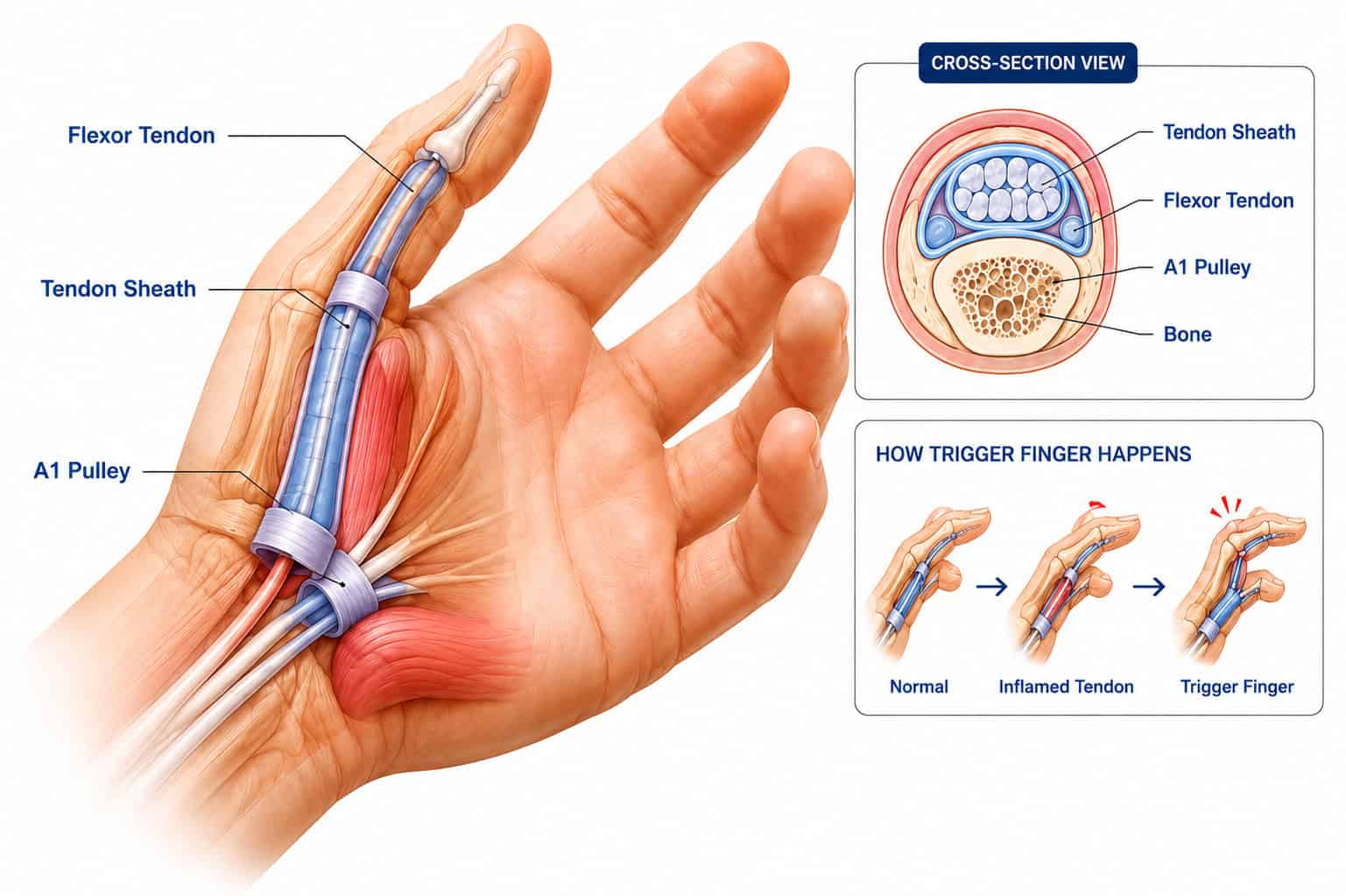
Trigger finger is a condition that affects the flexor tendon, making it difficult for a finger or trigger thumb to bend and straighten smoothly. The problem develops when the tendon sheath—the protective tunnel surrounding the tendon—becomes irritated or inflamed. As a result, the tendon can no longer glide freely through a small opening called the A1 pulley.
Trigger finger usually develops when repeated friction or irritation causes the flexor tendon or its surrounding tendon sheath to become inflamed. This inflammation reduces the smooth movement of the tendon through the A1 pulley, making finger movement increasingly difficult. Repetitive gripping activities, frequent hand use, diabetes, rheumatoid arthritis, and age-related changes are recognised risk factors that may increase the likelihood of developing trigger finger. However, in many cases, the exact cause cannot be identified, and the condition may occur without an obvious reason.
Symptoms of Trigger Finger (Stage Wise)
Trigger finger symptoms usually develop gradually rather than appearing all at once. In the early stages, you may notice only mild stiffness or occasional discomfort. As the condition progresses, the affected finger can begin clicking, catching, or even locking during movement. Recognizing these changes early can help you seek medical advice before the symptoms interfere with daily activities.
Stage 1: Mild Stiffness and Discomfort
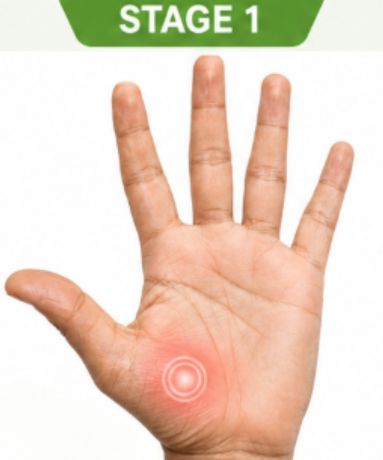
Trigger finger may begin with mild stiffness, especially in the morning. You may feel slight tenderness or discomfort near the base of the affected finger or thumb. Finger movement is usually normal, but bending or gripping may feel slightly uncomfortable.
Stage 2: Clicking and Finger Catching
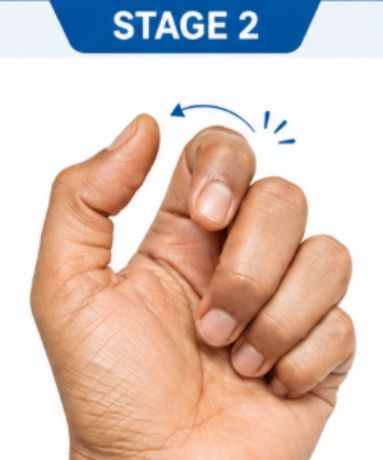
As the condition progresses, the finger may click, snap, or briefly catch while bending or straightening. Pain around the base of the finger can become more noticeable during gripping or repeated hand movements. The finger can still move, but movement may require extra effort.
Stage 3: Locking and Reduced Finger Movement
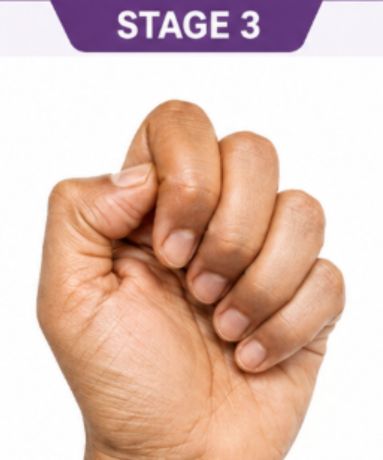
In the advanced stage, the finger may lock in a bent or straight position and become difficult to move normally. Sometimes, the other hand may be needed to help straighten it. Pain, stiffness, and reduced movement can make everyday hand activities more difficult.

Can Trigger Finger Heal Without Surgery?
Yes, trigger finger can often improve without surgery, especially when the condition is mild or treated early. Treatment may include reducing repetitive finger movements, wearing a splint, doing prescribed hand exercises, taking anti-inflammatory medicine, or receiving a corticosteroid injection if recommended by a doctor.
However, non-surgical treatment may not work for everyone. If the finger frequently locks, remains stuck in a bent position, or symptoms continue to affect daily activities, a doctor may recommend a minor surgical procedure.
Early diagnosis and treatment can improve the chances of recovery without surgery. If you notice stiffness, clicking, or locking, consulting a hand specialist or orthopaedic doctor can help determine the right treatment for your condition.
Non-Surgical Treatment for Trigger Finger
Non surgical treatment for trigger finger is often the first choice when symptoms are mild or diagnosed early. Many people experience relief through conservative treatments that help reduce inflammation, improve tendon movement, and ease pain without surgery. The right trigger finger treatment depends on the severity of the condition and individual health needs. Below are the most commonly recommended non-surgical treatment options.
Giving the affected finger enough rest is often the first step in trigger finger treatment, especially when symptoms are mild. Repetitive gripping, lifting, or forceful hand movements can increase irritation around the flexor tendon. Reducing these activities allows the inflamed tendon to recover naturally. Rest does not mean avoiding all hand movements—it simply means limiting activities that place repeated stress on the affected finger until symptoms improve.
A trigger finger splint helps keep the affected finger in a comfortable position, reducing unnecessary movement and allowing the irritated tendon to heal. It is commonly worn at night to reduce morning stiffness and finger locking, although some people may also need it during the day. The type of splint and how long it should be used should always be decided by a healthcare professional.
Gentle hand exercises can help maintain flexibility and improve finger movement during recovery. Tendon gliding exercises, stretching, and range-of-motion exercises are commonly recommended to support smooth tendon movement and reduce stiffness. However, exercises should never cause significant pain. If symptoms worsen, stop the exercises and consult your healthcare provider.
Trigger finger physiotherapy aims to reduce stiffness, improve hand function, and restore normal finger movement. A physiotherapist or occupational therapist may recommend tendon gliding exercises, stretching, joint mobility techniques, soft tissue mobilisation, and strengthening exercises based on your condition. Physiotherapy is often combined with splinting, rest, and activity modification for better results.
Applying a warm compress may help reduce morning stiffness and make finger movement more comfortable before daily activities. Warmth relaxes the surrounding soft tissues and improves local blood circulation. Although it is not a primary treatment, it can provide temporary relief when used alongside other conservative treatments such as exercises, splinting, and activity modification.
Comparison of Non-Surgical Trigger Finger Treatments
| Treatment | Best For | Key Benefits | Typical Response Time |
|---|---|---|---|
| Rest | Mild or early symptoms | Reduces tendon irritation and allows healing | Days to several weeks |
| Trigger Finger Splint | Finger locking and stiffness | Supports healing by limiting movement | Several weeks |
| Tendon Gliding Exercises | Reduced flexibility | Improves mobility and tendon movement | Gradual improvement with regular practice |
| Trigger Finger Physiotherapy | Stiffness and reduced hand function | Restores mobility and improves hand function | Varies based on individual recovery |
| Activity Modification | Repetitive hand strain | Prevents further tendon irritation | Ongoing lifestyle adjustment |
| Warm Compress | Morning stiffness | Relaxes soft tissues and improves flexibility | Temporary relief before activities |
Trigger Finger Exercises That May Help Improve Finger Movement
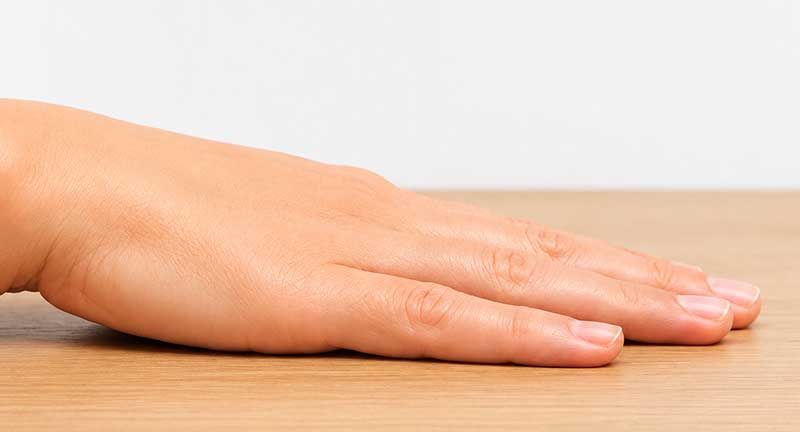
Finger Stretch
A finger stretch is one of the simplest trigger finger exercises to improve flexibility and reduce stiffness
How to Do It: Place your hand flat on a table with your palm facing down. Slowly straighten all your fingers as much as possible without forcing them. Hold the position for 10–15 seconds before relaxing.
Repeat: 5–10 times, one to three sessions daily, or as advised by your healthcare professional.
Tendon Glide
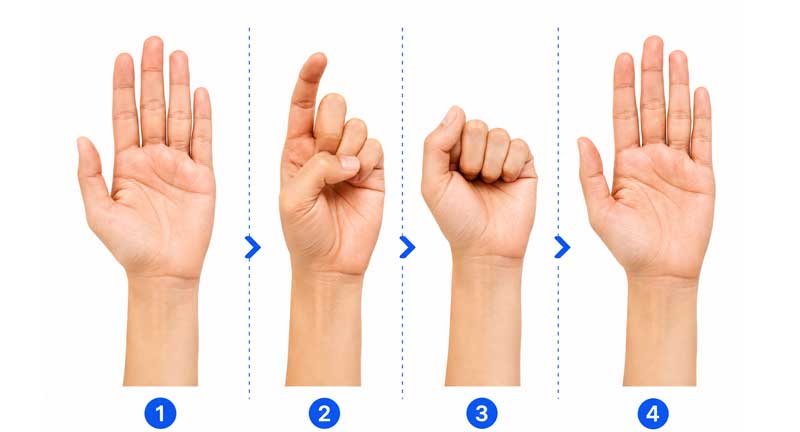
Tendon glide exercises are commonly used in occupational therapy and hand rehabilitation to encourage smooth tendon movement.
How to Do It: Begin with your fingers fully straight. Slowly bend the top and middle joints into a hook position, then make a gentle fist, and finally return to the starting position. Move slowly and avoid jerky motions.
Perform: 5–10 repetitions, one or two times daily, depending on your comfort level.
Finger Lift
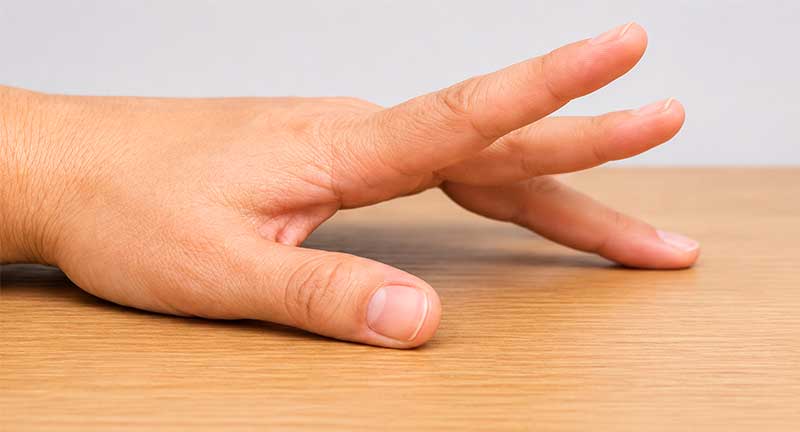
The finger lift is a gentle exercise that helps improve finger control and mobility.
How to Do It: Place your hand flat on a table with your palm facing down. Lift one finger at a time slightly off the surface, hold for two to three seconds, and lower it slowly. Repeat with each finger.
Repeat: Complete 8–10 repetitions for each finger.
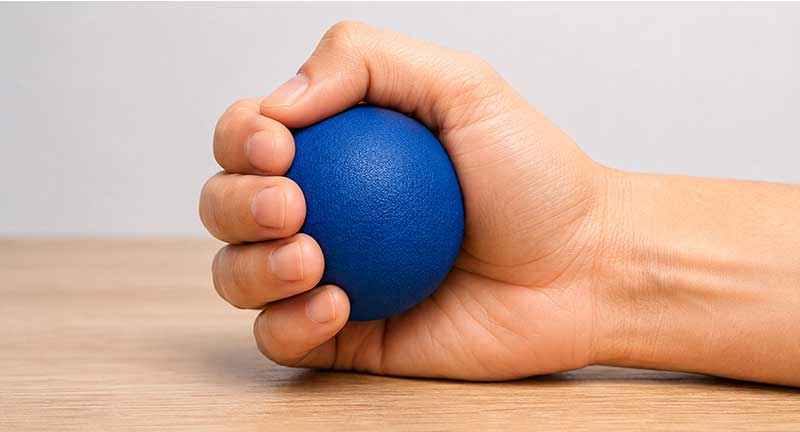
Grip Exercise
A gentle grip exercise can help maintain hand strength while avoiding excessive stress on the affected tendon.
How to Do It: Hold a soft foam ball or therapy putty in your hand. Gently squeeze it until you feel light resistance, then slowly release. Avoid squeezing as hard as possible.
Repeat: Perform 10 gentle squeezes and repeat for one to three sets, provided the exercise does not increase pain.
Passive Stretch
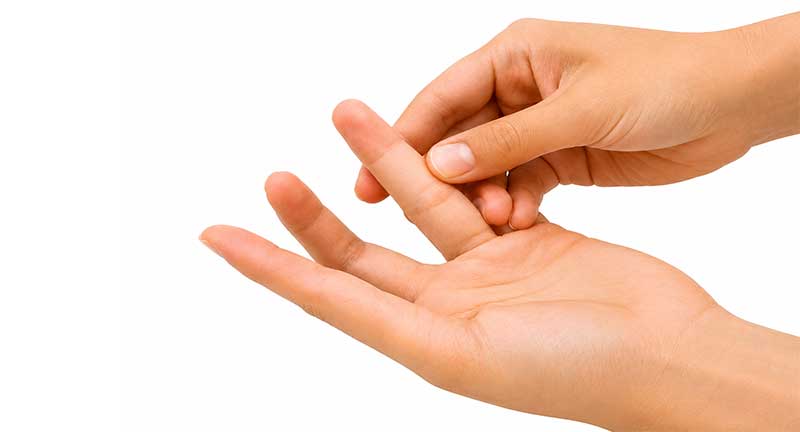
A passive stretch uses your unaffected hand to gently assist the movement of the affected finger.
How to Do It: Relax the affected hand. Use your other hand to slowly straighten or bend the affected finger until you feel a gentle stretch. Hold briefly, then return to the starting position.
Repeat: Hold each stretch for 10–15 seconds and repeat 5–10 times.
Typical Recovery Timeline Without Surgery
| Week | Expected Improvement |
|---|---|
| Week 1 | Resting the affected finger and reducing repetitive activities may help decrease irritation. Significant improvement is usually not expected during the first week. |
| Week 2 | Some people may notice a slight reduction in pain or morning stiffness when conservative treatment is followed consistently. |
| Week 4 | In mild cases, finger movement may become smoother, and episodes of clicking or locking may occur less frequently. |
| Week 6 | Patients who respond well to non-surgical treatment often experience gradual improvement in comfort, flexibility, and hand function. |
| Week 8 | Daily activities may become easier if symptoms continue to improve. Persistent pain, stiffness, or finger locking should be reassessed by a specialist. |

Important
This timeline represents a general pattern and should not be considered a guaranteed recovery schedule. Every patient is different, and treatment decisions should always be based on an individual medical assessment by a qualified healthcare professional.
When Is Surgery Necessary?
In many cases, trigger finger can be treated without surgery. Depending on the severity of the symptoms and a doctor’s evaluation, treatment may include activity modification, splinting, hand exercises, or a trigger finger steroid injection. However, surgery may be recommended if these treatments do not provide relief, the finger continues to lock, or pain and stiffness affect daily activities.
Trigger finger surgery, also known as A1 pulley release, involves releasing the tightened pulley that prevents the tendon from moving smoothly. The goal is to restore normal finger movement and improve hand function. Doctors usually consider the patient’s symptoms, medical history, hand function, and response to previous treatments before recommending surgery.
For people living in Dum Dum and nearby areas, choosing a trusted Nursing Home in Dum Dum can help ensure access to experienced doctors, skilled nursing care, and proper medical facilities. Before selecting a healthcare facility, consider the quality of care, medical team experience, and overall reputation.

Mistakes That Can Delay Trigger Finger Recovery
- Ignoring Symptoms : Delaying treatment despite persistent pain, stiffness, or finger locking.
- Excessive Gripping : Repetitive gripping or forceful hand movements may continue to irritate the affected tendon
- Doing the Wrong Exercises : Exercises that are not recommended for your condition may worsen discomfort instead of improving mobility.
- Stopping Splint Use Too Soon : Removing a prescribed splint before your doctor advises may reduce its effectiveness.
- Delaying a Doctor Visit : Waiting until symptoms become severe may limit conservative treatment options and prolong recovery.
Frequently Asked Questions (FAQ)
In some mild cases, trigger finger may improve with rest, avoiding repetitive gripping activities, and reducing strain on the affected finger. However, symptoms that persist, worsen, or interfere with daily activities should be evaluated by a doctor. Early treatment often helps prevent the condition from progressing.
Yes. Although many people recover successfully, trigger finger can return, particularly if the underlying cause remains. People with diabetes, inflammatory arthritis, or jobs involving repetitive hand movements may have a higher chance of recurrence. Following your doctor's advice and hand exercises may help reduce the risk.
You should seek medical advice if your finger becomes painful, frequently locks or catches, feels stiff every morning, or you cannot fully straighten or bend it. Early diagnosis can help avoid worsening symptoms and improve treatment outcomes.
Physiotherapy may help improve flexibility, reduce stiffness, and restore hand function in selected cases. However, it is not a guaranteed cure for everyone. Your doctor may recommend physiotherapy as part of a broader treatment plan depending on the severity of your condition.
Without treatment, trigger finger may gradually become more painful and stiff. The affected finger may lock more frequently or remain stuck in a bent position, making everyday activities difficult. Early medical evaluation can help prevent progression and improve hand function.
Get In Touch For Better Care Today