
Dr. Anuradha Roy
M.B.B.S., G&O
Specialty: Gynaecology and Obstetrics
Medical Review Date: 2026-10-25
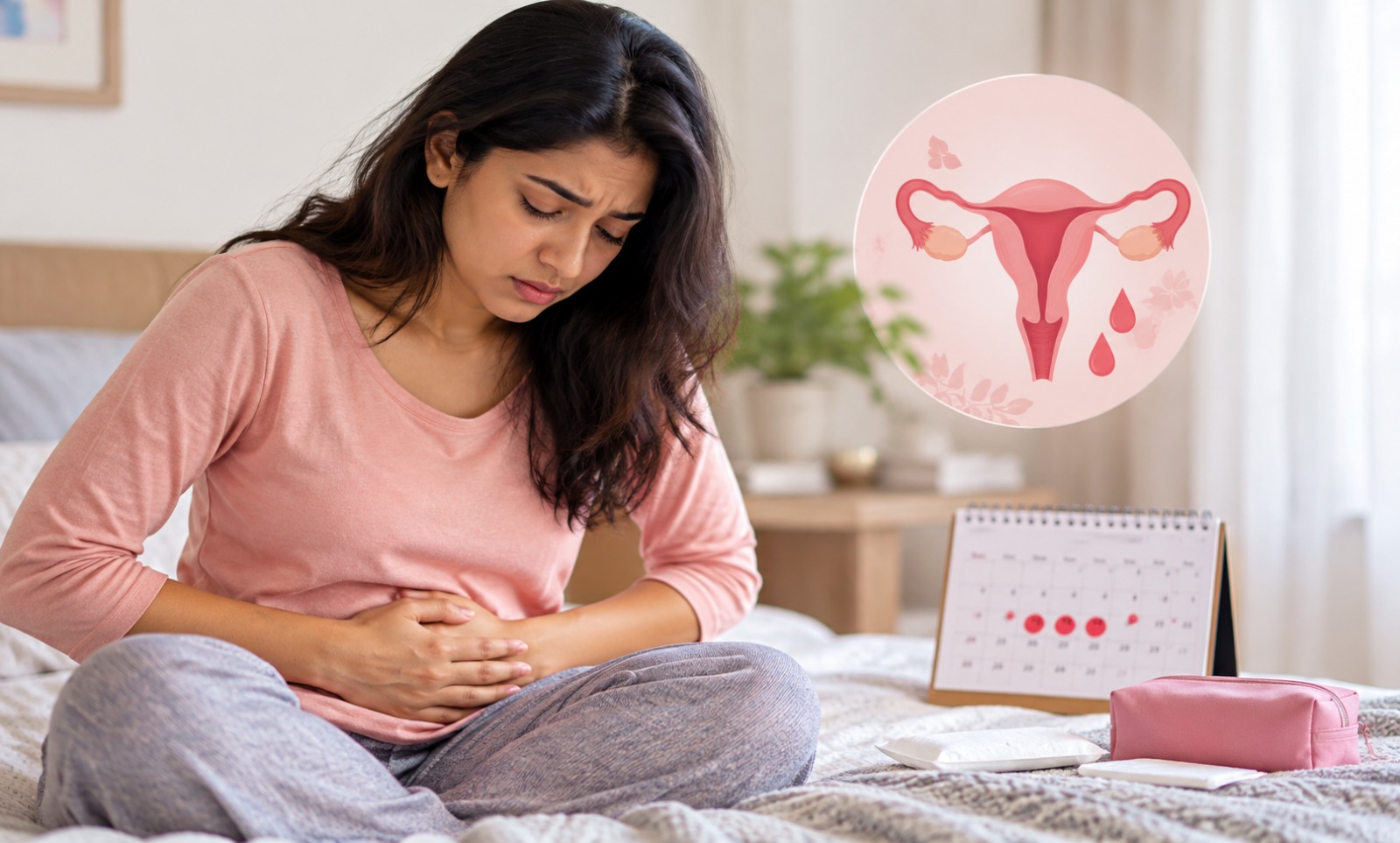
Menstrual cycles do not always arrive on exactly the same day. A small change from one month to another can be normal. However, periods that repeatedly come too early, arrive late, stop for several months or change significantly in flow may be considered irregular periods.
Changes in the menstrual cycle may be connected to pregnancy, stress, hormonal changes, certain medical conditions or medications. Understanding the possible causes and symptoms can help you recognise when cycle tracking may be enough and when it may be appropriate to consult a doctor.
What Are Irregular Periods?
A menstrual cycle is counted from the first day of one period to the first day of the next. In adults, menstrual cycles commonly occur about 21 to 35 days apart. However, what is normal may vary slightly from one person to another.
A period may be considered irregular when:
- Cycles repeatedly occur less than 21 days or more than 35 days apart.
- The length of the cycle changes considerably from month to month.
- Periods stop for three months or longer when pregnancy is not the reason.
- Bleeding lasts longer than seven days.
- Menstrual flow becomes much heavier or lighter than usual.
- Spotting or bleeding occurs between periods.
One unusual cycle does not always indicate a health problem. A persistent change from your usual pattern is generally more important than a small, occasional variation.
Common Symptoms of Irregular Periods
Irregular period symptoms can involve changes in timing, duration or menstrual flow. A period may arrive earlier or later than expected, or one or more periods may be missed. Some people experience unpredictable bleeding, unusually light flow or heavy menstrual bleeding.
Other possible signs include spotting between periods, bleeding that continues for more than seven days and significant cramping or pelvic pain. Heavy bleeding may sometimes be accompanied by fatigue, weakness or dizziness.
These symptoms do not identify the cause by themselves. Recording when they occur and discussing persistent or concerning changes with a healthcare professional can support a more accurate medical evaluation.
If these changes continue or begin to affect your daily life, consulting an experienced gynecologist in Dum Dum can help you understand the possible cause and receive guidance based on your individual symptoms.
Common Causes of Irregular Periods
Several factors can affect menstrual timing and ovulation. Some are connected to normal stages of life, while others may require medical assessment.
Pregnancy and Life-Stage Changes
Pregnancy is a common reason for a missed period. If pregnancy is possible, appropriate testing can help clarify the situation.
Irregular cycles may also be more common during puberty because the hormonal processes controlling ovulation are still developing. After pregnancy, periods may take time to return to their previous pattern, particularly while breastfeeding.
Cycles can also become less predictable during perimenopause, the transition leading up to menopause. However, new or unusual bleeding should not automatically be assumed to be part of a life-stage change.
Stress and Lifestyle Changes
Emotional stress can affect the hormonal signals involved in ovulation and menstrual timing. Changes in sleep, travel, illness or daily routine may also temporarily influence a cycle.
Significant changes in nutrition or physical activity can affect menstruation as well. In particular, prolonged intense exercise may contribute to missed or irregular periods in some people. If a cycle remains irregular after a temporary change has passed, other possible causes may need to be considered.
PCOS and Other Hormonal Conditions
Polycystic ovary syndrome, commonly known as PCOS, can interfere with regular ovulation. In addition to irregular periods, some people with PCOS may experience acne, increased facial or body hair or other signs of hormonal change. These symptoms alone cannot confirm PCOS, so a medical assessment is needed.
Thyroid conditions can also affect the menstrual cycle. Both an underactive and an overactive thyroid may lead to changes in period timing or flow. Conditions affecting the pituitary gland or the normal function of the ovaries may also disrupt menstruation.
Other Medical Conditions and Medications
Uterine fibroids, endometriosis, pelvic infections and bleeding disorders may cause changes in bleeding or menstrual symptoms. Primary ovarian insufficiency may result in missed or irregular periods before the usual age of menopause.
Hormonal contraception can change menstrual flow or timing, especially after it is started, changed or stopped. Certain medicines may also affect periods. Do not stop prescribed medication without consulting the healthcare professional who prescribed it.
Can Irregular Periods Affect Ovulation and Fertility?
Irregular periods do not automatically mean that a person is infertile. However, an unpredictable cycle can sometimes indicate that ovulation is irregular or does not occur during every cycle.
When ovulation is unpredictable, identifying the fertile window may be more difficult. Tracking cycle dates and related symptoms can provide useful information, but period-tracking apps cannot confirm ovulation or diagnose a fertility condition.
If you are trying to conceive and your periods are very irregular, or pregnancy has not occurred after an appropriate period of trying, consider discussing your individual circumstances with a qualified healthcare professional.
For a broader understanding of preventive care, routine consultations and reproductive health across different stages of life, read our Women’s Gynecological Health Guide: Preventive Care, Routine Checkups & Health at Every Life Stage.
How Are Irregular Periods Diagnosed and Treated?
A doctor may begin by asking about your menstrual pattern, symptoms, medical history, medicines and contraception. They may also consider whether pregnancy is possible.
Depending on the symptoms and medical history, further evaluation may include blood tests, thyroid or hormone assessment, a physical examination or a pelvic ultrasound. Additional tests are used only when clinically appropriate; not everyone with irregular periods needs the same investigations.
Treatment depends on the underlying cause and the effect symptoms have on health and daily life. It may include support with stress and daily routines, clinician-guided hormonal treatment, or management of conditions such as PCOS or thyroid disease. Infections and structural conditions, including some fibroids, may require different forms of treatment.
There is no single treatment that is suitable for every irregular cycle. Avoid using hormonal medicine or unverified remedies without professional guidance.
When Should You See a Doctor?
Schedule a Medical Consultation If
Consider speaking with a healthcare professional if:
- Your periods repeatedly occur less than 21 days or more than 35 days apart.
- You have not had a period for three months and pregnancy is not the cause.
- Bleeding regularly lasts longer than seven days.
- You experience bleeding between periods or after sexual intercourse.
- Periods become very irregular after previously being predictable.
- Menstrual pain interferes with normal activities.
- Irregular periods occur with persistent fatigue, acne, increased facial or body hair, or symptoms of a possible thyroid condition.
- Your cycles are irregular and you are having difficulty conceiving.
Bleeding after menopause should always be medically evaluated.
Seek Prompt Medical Care If
Prompt medical attention may be needed if heavy bleeding soaks through a pad or tampon every hour for several hours, particularly when it is accompanied by dizziness, weakness or fainting.
You should also seek timely medical care for severe or sudden pelvic pain, significant pain or bleeding when pregnancy is possible, or bleeding accompanied by fever or unusual vaginal discharge.
How to Track Your Menstrual Cycle
A menstrual diary can help you identify changes and provide useful information during a medical consultation. Record:
- The first and last day of each period.
- The number of days between periods.
- Whether the flow is light, moderate or heavy.
- Pain, spotting and other symptoms.
- Changes in medicines or contraception.
Tracking reveals patterns, but it does not replace a medical diagnosis.
Frequently Asked Questions
A small variation from one cycle to another can be normal. Consider medical advice if the delay is substantial, continues across several cycles or occurs with pain, unusual bleeding or other symptoms.
Stress can affect the hormonal signals that regulate ovulation and cycle timing. However, persistent irregular periods should not automatically be attributed to stress without considering other possible causes.
Yes. PCOS can interfere with regular ovulation and lead to infrequent, missed or unpredictable periods. A doctor may use medical history, examination and selected tests to assess whether PCOS is present.
Pregnancy is possible with irregular periods. However, unpredictable ovulation can make fertile days harder to identify. Individual medical guidance may be helpful when cycles are irregular and you are trying to conceive.
Conclusion
An occasional change in menstrual timing may not be a cause for concern, but persistent irregularity, unusual bleeding or significant pain should not be ignored. Tracking your cycle can help you notice meaningful changes and provide useful information during an appointment.
If your menstrual pattern has changed or symptoms are affecting your daily life, consider consulting a qualified gynecologist for an individual assessment.
Recent Posts
-

Meet the Wanderer Tail Bag: Your Ultimate
May 16, 2026 -

Meet the Wanderer Tail Bag: Your Ultimate
May 14, 2026 -

Meet the Wanderer Tail Bag: Your Ultimate
May 14, 2026