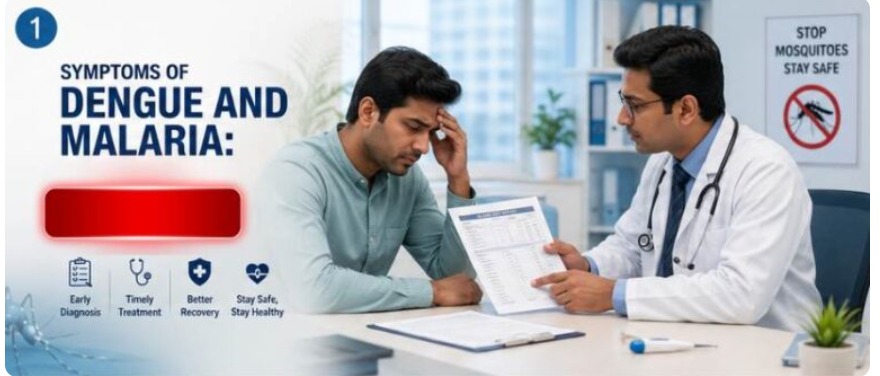
During monsoon and post-monsoon seasons, fever is very common and is often mistaken for a normal viral infection. However, persistent fever along with chills, severe body pain, vomiting, weakness, or skin rash may sometimes indicate mosquito-borne diseases like dengue or malaria. Since both illnesses share several similar symptoms, many people become confused and delay proper medical treatment.
Understanding the symptoms of dengue and malaria at an early stage is important because timely diagnosis and medical care can help prevent serious health complications.
Understanding Dengue And Malaria
Dengue and malaria are two common mosquito-borne diseases frequently seen in tropical countries like India. Although both illnesses may begin with fever and fatigue, they are caused by different organisms and require different treatments.
Dengue is caused by a virus transmitted through the bite of infected Aedes mosquitoes, while malaria is caused by parasites spread by infected Anopheles mosquitoes.
Because some early symptoms overlap, many patients find it difficult to identify whether they are experiencing dengue or malaria symptoms without proper medical testing.
Common Symptoms Of Dengue And Malaria
The severity of symptoms may vary from person to person depending on age, immunity, and overall health condition. Some patients experience mild fever, while others may develop serious complications if treatment is delayed. However, certain symptoms are commonly seen in most dengue and malaria cases.
Common Dengue Symptoms
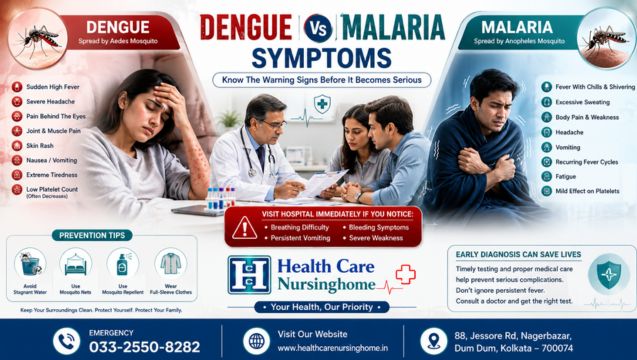
- Sudden high fever
- Severe headache
- Pain behind the eyes
- Joint and muscle pain
- Skin rash
- Nausea or vomiting
- Extreme tiredness
Common Malaria Symptoms
- Fever with chills and shivering
- Excessive sweating
- Body pain and weakness
- Headache
- Vomiting
- Recurring fever cycles
- Fatigue
If fever continues for more than two to three days, it is advisable to consult a doctor instead of relying on self-medication
Malaria Vs Dengue Symptoms: What Is The Difference?
Although dengue and malaria may initially appear similar, doctors often identify certain symptom patterns that help differentiate between the two conditions.
| Symptoms | Dengue | Malaria |
|---|---|---|
| Fever Pattern | Sudden high fever | Repeated fever with chills |
| Body Pain | Severe muscle and joint pain | General weakness and fatigue |
| Skin Rash | Common | Rare |
| Platelet Count | Often decreases | Usually mild effect |
| Chills/Shivering | Less common | Very common |
One of the major differences between malaria and dengue symptoms is that malaria usually causes intense chills and sweating, while dengue is more commonly associated with severe body pain, skin rash, and low platelet count.
However, symptoms alone may not confirm the disease. A blood test for dengue and malaria is often required for an accurate diagnosis.
When Should You Visit A Hospital?
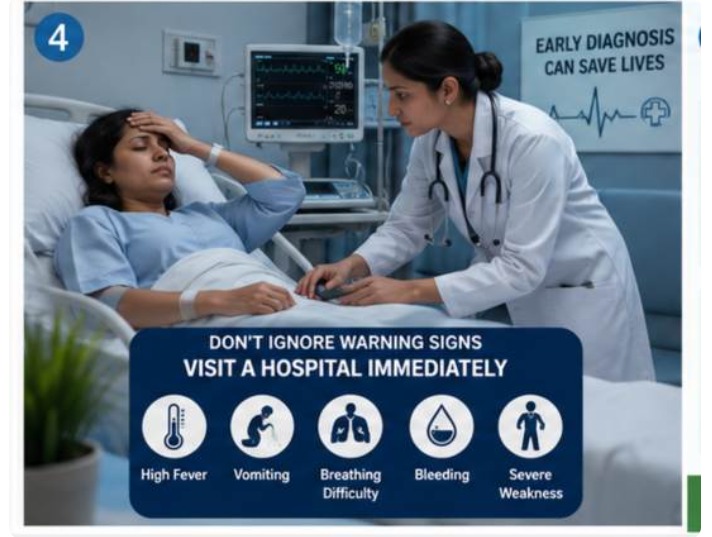
Many people try home remedies or self-medication during fever, which may sometimes delay proper treatment. If symptoms continue worsening or new warning signs appear, immediate medical attention becomes necessary.
Warning Signs That Need Immediate Medical Attention
- Difficulty breathing
- Persistent vomiting
- Bleeding from gums or nose
- Severe abdominal pain
- Confusion or dizziness
Children, elderly individuals, pregnant women, and patients with existing medical conditions may face a higher risk of complications.
Doctor’s Advice: If fever persists for several days or is accompanied by severe weakness, repeated vomiting, bleeding symptoms, dehydration, or difficulty breathing, it should never be ignored. Seeking medical advice early and undergoing the necessary blood tests can help ensure timely treatment and reduce the risk of serious complications. If you notice any of these warning signs, do not delay seeking medical care at a trusted hospital or nursing home. People living in Kolkata and nearby areas have access to a wide range of healthcare facilities. For those searching for the Best Nursing Home in Dumdum choosing a healthcare center with experienced doctors, modern diagnostic facilities, and emergency care services can make a significant difference in receiving timely diagnosis and appropriate treatment.
Dengue And Malaria Tests For Accurate Diagnosis
Since dengue and malaria symptoms often overlap, laboratory testing plays a major role in confirming the exact infection. Doctors usually recommend laboratory testing to confirm whether the infection is dengue or malaria.
Commonly Recommended Tests
- Complete Blood Count (CBC)
- Dengue NS1 Antigen Test
- Dengue IgM Test
- Malaria Parasite Test
Early blood testing helps doctors begin appropriate treatment quickly and monitor complications such as low platelet count, dehydration, or severe infection.
If fever continues for several days, patients should avoid guessing the illness and seek professional medical evaluation.
How To Prevent Dengue And Malaria
Simple preventive measures followed regularly at home, schools, workplaces, and surrounding areas can significantly reduce the spread of mosquito-borne infections.
Prevention Tips
-
Avoid stagnant water around the house Mosquitoes often breed in stagnant water found in buckets, flower pots, coolers, drains, or unused containers. Regular cleaning and proper drainage can help reduce mosquito breeding.
-
Use mosquito repellents regularly Applying mosquito repellents on exposed skin or using indoor mosquito protection devices may help lower the risk of mosquito bites, especially during the evening and early morning hours.
-
Sleep under mosquito nets Mosquito nets provide additional protection while sleeping, particularly for children, elderly individuals, and patients recovering from illness.
-
Wear full-sleeve clothing Wearing clothes that cover the arms and legs can help reduce direct mosquito exposure, especially during monsoon and post-monsoon seasons.
-
Keep surroundings clean Maintaining cleanliness inside and outside the home can help control mosquito breeding and improve overall hygiene
-
Use window screens when possible Installing screens on doors and windows may help prevent mosquitoes from entering indoor spaces.
Community awareness, proper hygiene, and mosquito control measures also play an important role in preventing the spread of dengue and malaria. If fever or other warning symptoms appear, early medical consultation is always recommended.
Frequently Asked Questions
Yes, in some cases a person may become infected with both dengue and malaria at the same time. Proper blood testing is necessary for accurate diagnosis and treatment.
Both diseases can become serious if treatment is delayed. Severe dengue may cause bleeding complications, while untreated malaria can affect major organs.
Dengue fever symptoms generally last for 5 to 7 days, although weakness and fatigue may continue longer in some patients.
If fever continues for more than two to three days or is accompanied by vomiting, chills, rash, bleeding, or breathing difficulty, medical consultation is strongly recommended.
Conclusion
Dengue and malaria are serious mosquito-borne diseases that should never be ignored, especially during monsoon and post-monsoon seasons. Although both illnesses may begin with similar symptoms like fever, weakness, and body pain, timely diagnosis is extremely important for proper treatment and safe recovery.
Persistent fever, vomiting, chills, skin rash, bleeding symptoms, dehydration, or breathing difficulty should always be evaluated by a qualified healthcare professional. Early blood testing and medical supervision can help prevent severe health complications.
If you or your family members notice symptoms of dengue or malaria, consult a doctor or visit a hospital without delay for proper medical care and diagnosis.
Recent Posts
-
Meet the Wanderer Tail Bag: Your Ultimate
May 16, 2026 -

Meet the Wanderer Tail Bag: Your Ultimate
May 14, 2026 -

Meet the Wanderer Tail Bag: Your Ultimate
May 14, 2026